FURRY members WOOF WOOF MEOW MEOW

Associate Professor
George Christopoulos (Principal Investigator)
Provost’s Chair in Organizational Neuroscience
Assistant Dean (Research) (My full CV is here)
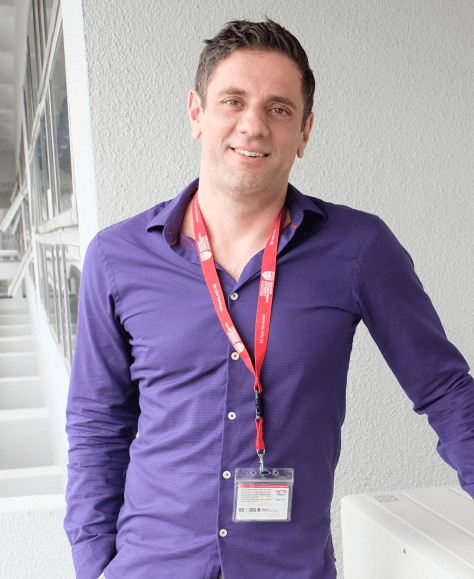
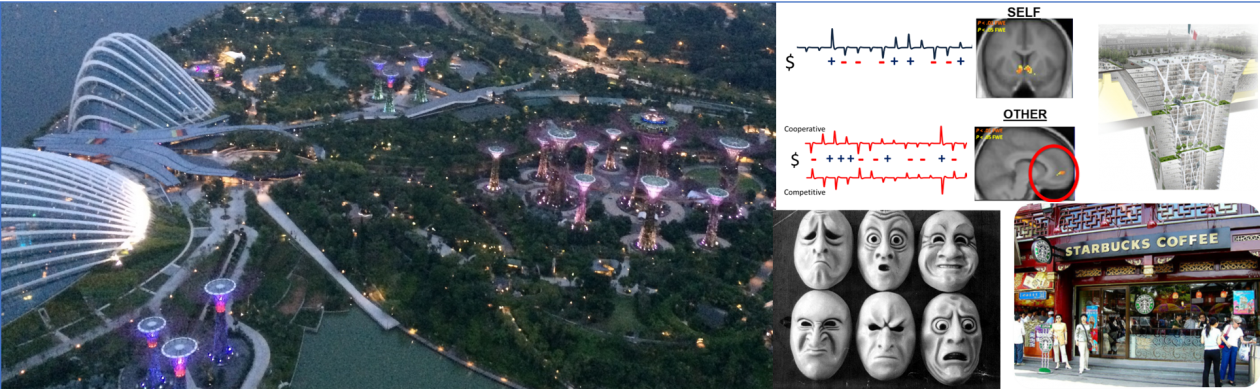
I hold a Ph.D. in Decision Neuroscience from the University of Cambridge (with Wolfram Schultz) and did my postdoctoral research at Virginia Tech and Baylor College of Medicine (Brooks King-Casas). I am Associate Professor and Provost’s Chair at Nanyang Business School, NTU, Singapore), co-Director of the Culture Science Innovations, and Program Director (2026) for the Academy of Management Org. Neuroscience Group (NEU), member of the Advisory Council for the Academy of Neuroscience for Architecture and collaborator for the UPenn Center for NeuroAesthetics. For a relatively recent CV see CV; Google scholar page: Google Scholar
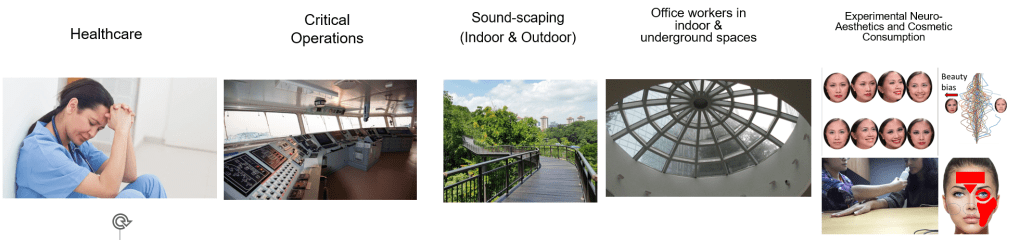
Our research, supported by over $5 million in funding, uses advanced neurobehavioral methods to explore the following key areas:
- Environmental (Urban) Neuroscience:We examine how indoor and outdoor spaces, along with their architectural features, impact human performance, health, and happiness. A recent grant focuses on the effect of soundscapes on human cognition, and we are working to validate spaces for recovery.
- Mental Fatigue and Recovery. We use standardized protocols and objective physiological methods, such as heart rate variability and eyeblinking, to track second-by-second changes related to mental fatigue and recovery. In addition to academic applications, we use wearable metrics in applied settings, including hospitals, military operations, and corporate offices.
- Human learning and decision making (risk and trust), Our work focuses on risk, trust, and cognitive flexibility, with an emphasis on computerized training for working adults.
- Beauty and aesthetics: We investigate how deep-seated beliefs about beauty influence the consumption of cosmetics, and how cultural symbols (e.g., statues, images, and buildings) affect emotions and aesthetic judgments.
Methods

Across all the topics above, the development and adaptation of neuroscience methods is central. We employ a combination of traditional and cutting-edge techniques, including:
Wearable Technologies: The validation and application of wearable metrics are a central priority in our research. We use these methods in both academic and applied settings, including hospitals, military operations, and corporate offices.
Behavioral methods derived from psychology.
Computational methods stemming from game theory, learning theory, and microeconomics.
Biological measurements, such as functional Magnetic Resonance Imaging (fMRI) and EEG.
Our research has been published in leading multidisciplinary and specialized journals (Journal of Neuroscience, PNAS, Building and Environment, Energy Research & Social Science, Journal of Experimental Social psychology, Journal of Environmental Psychology, Journal of Business Ethics etc.).
Research (PostDoctoral) Fellows
Adam Roberts (Ph.D. Sheffield; Previous PostDoc Oxford): Psychological and neurobiological aspects associated with the built environment
Shengchuang Feng (Ph.D. Virginia Tech)

I am currently a postdoctoral research fellow at the Centre for Lifelong Learning and Individualised Cognition (CLIC) of Nanyang Technological University. I received my doctoral degree in psychology at Virginia Tech, and was a postdoctoral associate at the Fralin Biomedical Research Institute of Virginia Tech. My research interests include social cognition, reward-guided learning/decision making and related disruptions in mental disorders such as depression, addiction, and anxiety. I use computational models, self-report measures, and functional magnetic resonance imaging to understand both behavioural and neural mechanisms of social/nonsocial cognition in healthy people as well as in mental illnesses.
Nadhilla Velda Melia (Ph.D. Singapore Management University)

I am a postdoctoral research fellow at the Centre for Lifelong Learning and Individualised Cognition (CLIC) at NTU. I received my PhD in Psychology from Singapore Management University. My research interests lie in social decision making, emotions and group cooperation. Specifically, I am interested in how others’ emotion expressions affect an individual’s decision making and cooperative behaviours. At CLIC, I will be investigating the relationships between sociocognitive variables, such as tolerance of uncertainty and perceived social support, and cognitive flexibility.
Syaheed Bin Jabar (Ph.D. University of Waterloo)

I completed by undergrad (Psychology + USP) at the National University of Singapore before freezing myself in Canada getting my PhD in Psychology (Cognitive Neuroscience) and a Graduate Diploma in Theoretical Neuroscience at the University of Waterloo. As a post-doc I experienced some (extreme) sun in Abu Dhabi’s New York University campus before moving on to work/consult in the industry. Across it all, I have done research ranging from fundamentals like visual psychophysics/decision-making to clinical topics like dementia/reading-disorders. Whether it is using gaming controllers, a Raspberry Pi, touchscreen tablets, eye-trackers, EEG, fMRI, computational-models, or just cleverly programmed tasks, I enjoy using tech in unconventional ways to uncover how the mind works.
PhD Students
SAM Yoke Loo, Emma (Science of Learning)
My research interests include organisational behaviours, career development, neuromarketing, behavioural & experimental designs, quantitative multivariate analysis, and psychometrics. For my thesis, I will be developing a nomological network of Cognitive Flexibility (CF) to explain the role and impact of CF on career decision making and outcomes.
Lee Li Ling
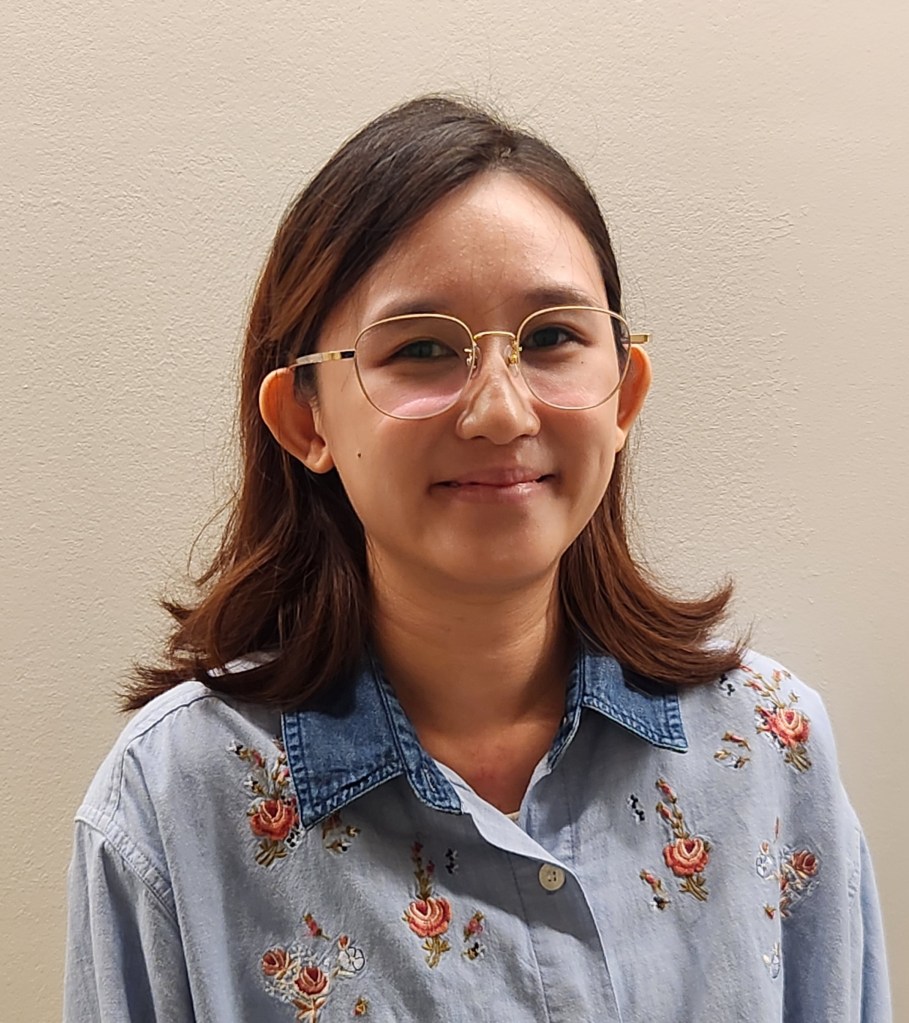
My research interests include the cultural and contextual influence, specifically the effect of language entropy, on organizational behaviours. I aim to combine psychological and physiological measures to provide a comprehensive and dynamic insight into the impact of language entropy in my thesis.
Research Assistants
Yap Hui Shan
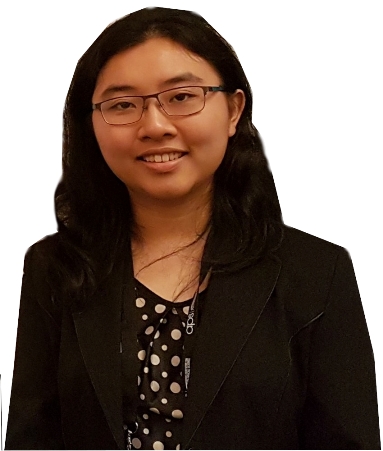
After my graduation from UB-SIM (in Psychology), I worked with a multi-disciplinary research group from NTU examining how different psychological and social factors can affect an individual’s functioning in (and their perception of) different spaces. My current research interest includes exploring topics related to social psychology, neuropsychology as well as learn more about different analysis methods.
Elliot Chan
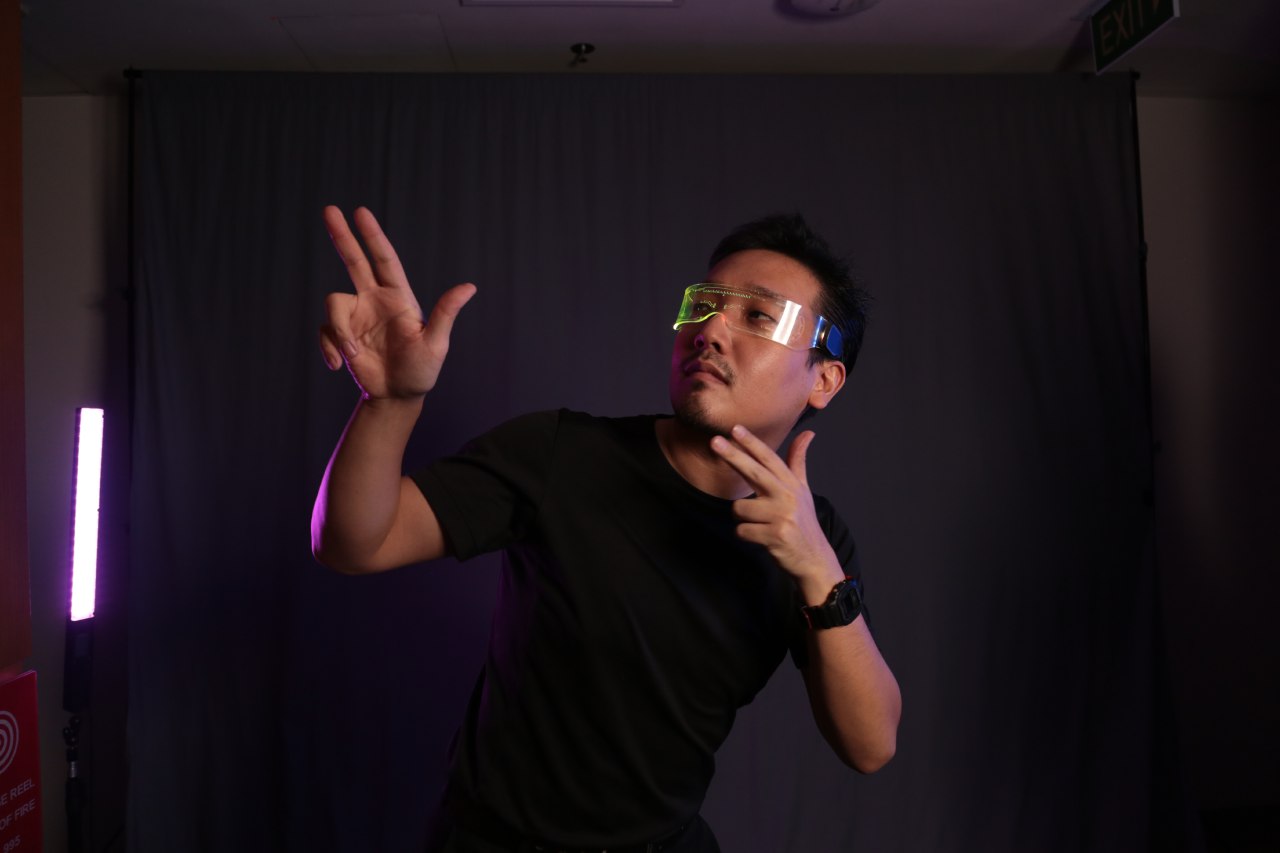 Having graduated from the University of Buffalo undergraduate program in Psychology, I have been involved in various projects for the Lab, such as the creation of the Asian Face database. I am also an independent filmmaker, magician, martial artist, techno-wizard, and soon-to-be cyborg ninja on wheels. My special abilities include drinking copious amounts of caffeine with no ill effects, and cooking “3-minute instant noodles” in 2 minutes and 47 seconds.
Chan Yuan Ni

After graduating with a Bachelor of Science from Monash University, Australia, I completed my fourth year studies in Psychology at Deakin University, Australia. My research interests are in the field of social psychology as well as neuropsychology.
Megan Oh
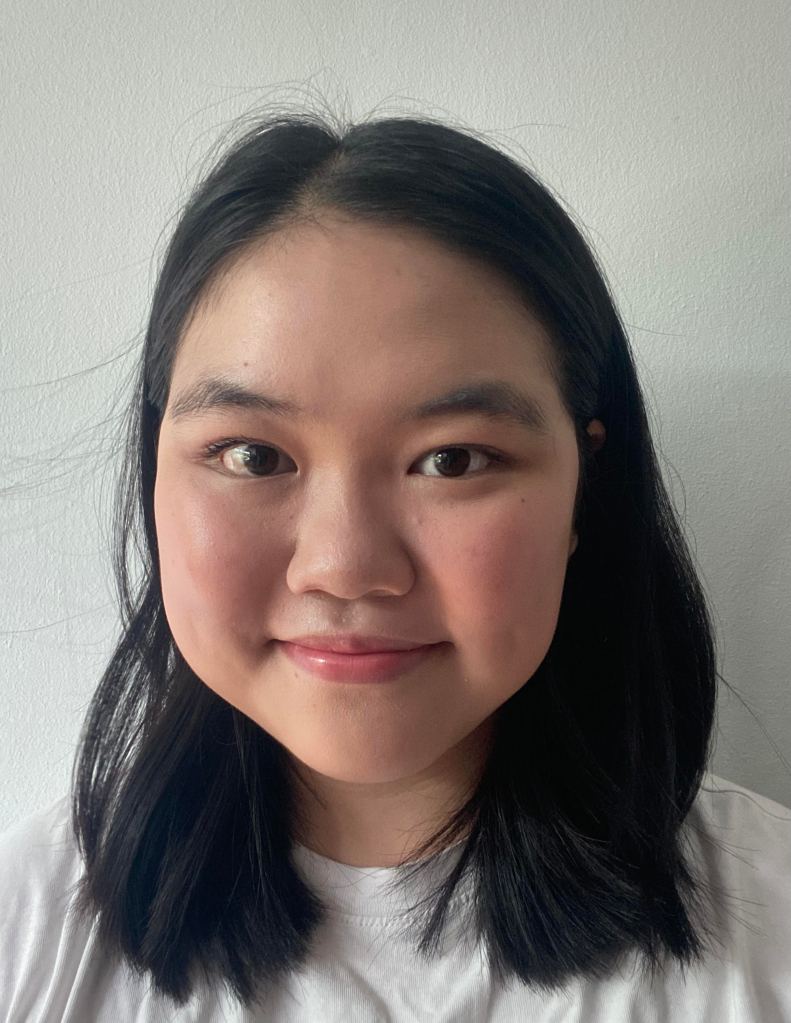
I hold a BSc in Experimental Psychology from UCL. I have interests in statistical methods, decision-making paradigms, and computational modelling of neural processes. When I’m not working as a research assistant at CLIC, I enjoy reading, running, and ruminating about my prospects in academia.
Akshay Abraham
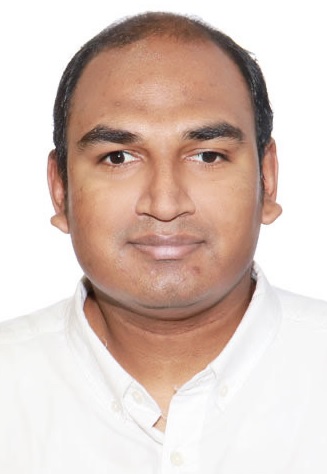
Akshay Abraham is a Research Associate involved with the Social Workgroup at CLIC. He was raised in Hong Kong and completed the majority of his education there. Akshay came to Singapore to pursue a Master’s Degree in Psychology, and his research pursuits thus far involved exploring the areas of moral decision-making and social inclusion. Akshay is keen on pursuing opportunities in relation to further education and collaboration on research projects.
TOP
Furry members
Duo-Duo (Super Principal Investigator)
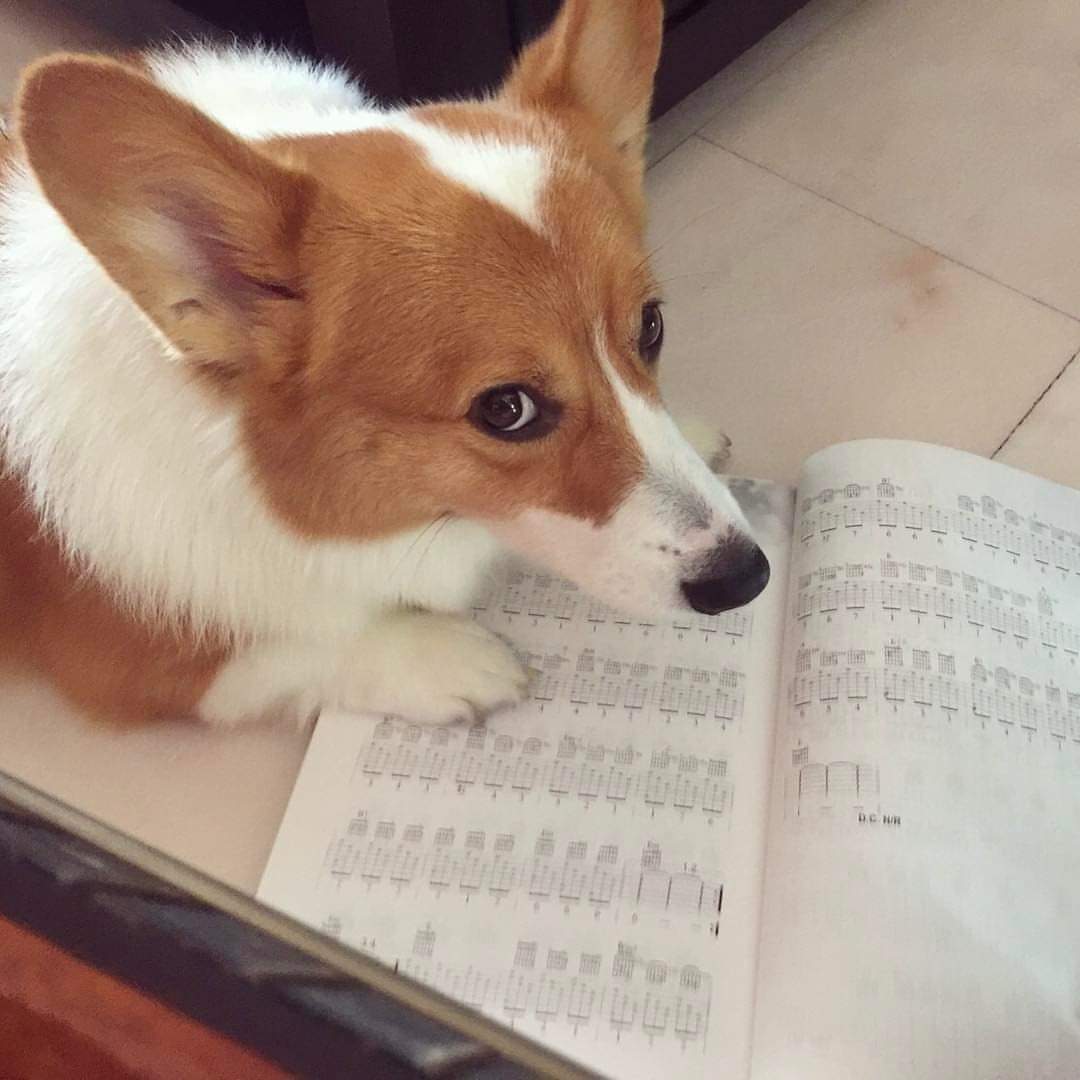
Duo Duo is the pack leader. He likes car rides. Emma is his Hooman.
Happy
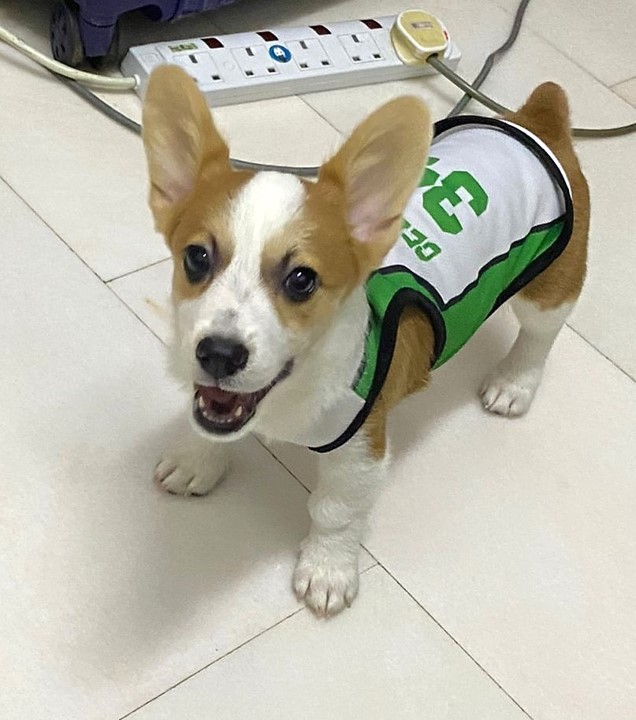
Happy is Duo Duo’s little sister. She likes to bite her hoomans.
Tyler
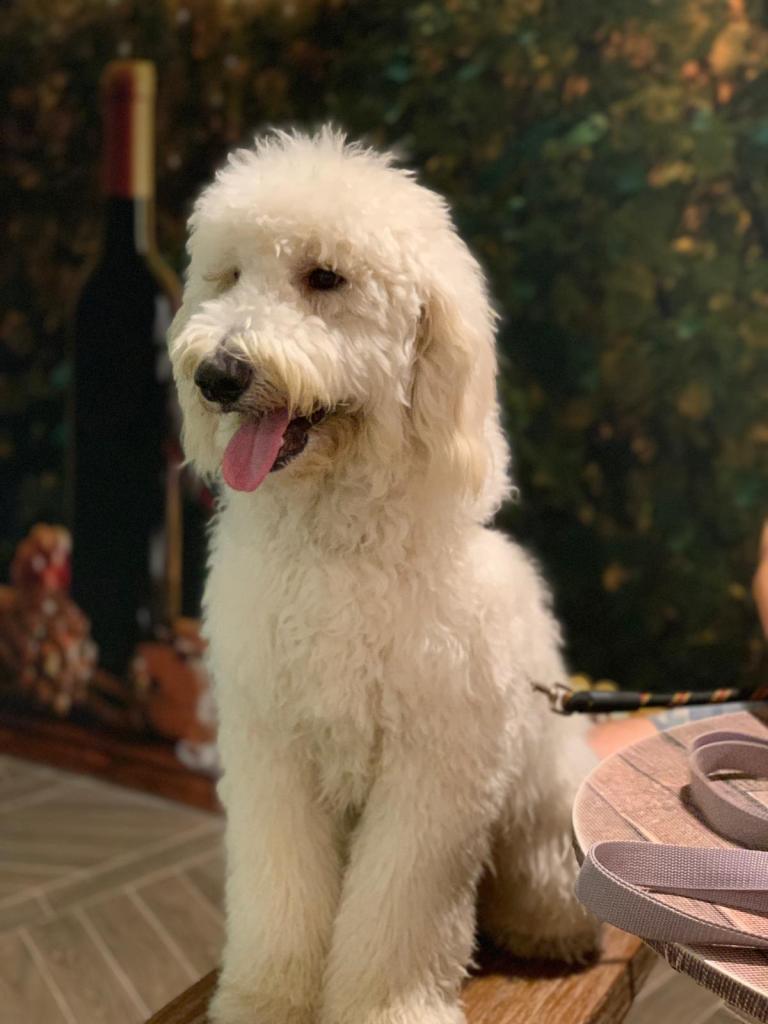
Tyler likes to bark while Hui Shan is on Zoom.
William & Raffles

William (left) and Raffles actually work with Prof. Gemma Calvert . They do research in food evaluation and barking! George is their guardian and also dog-sits them occasionally! George’s apartment is their holiday house!
Teddy and Oreo
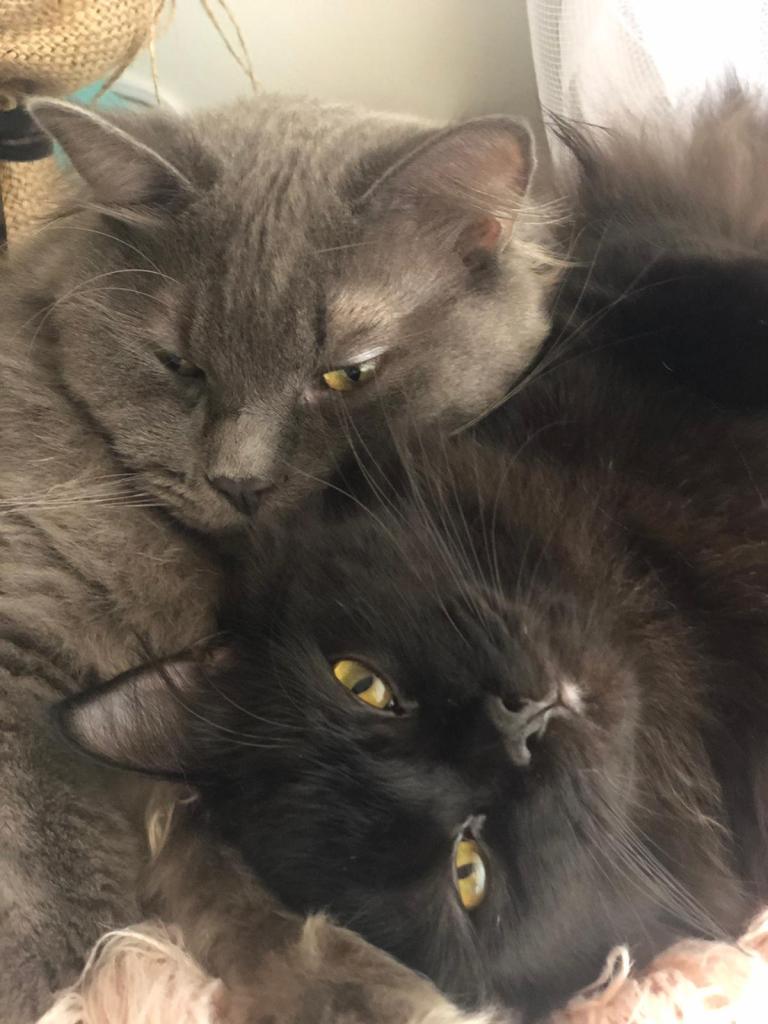
Our cats offer emotional support to Yuan Ni
Squishy
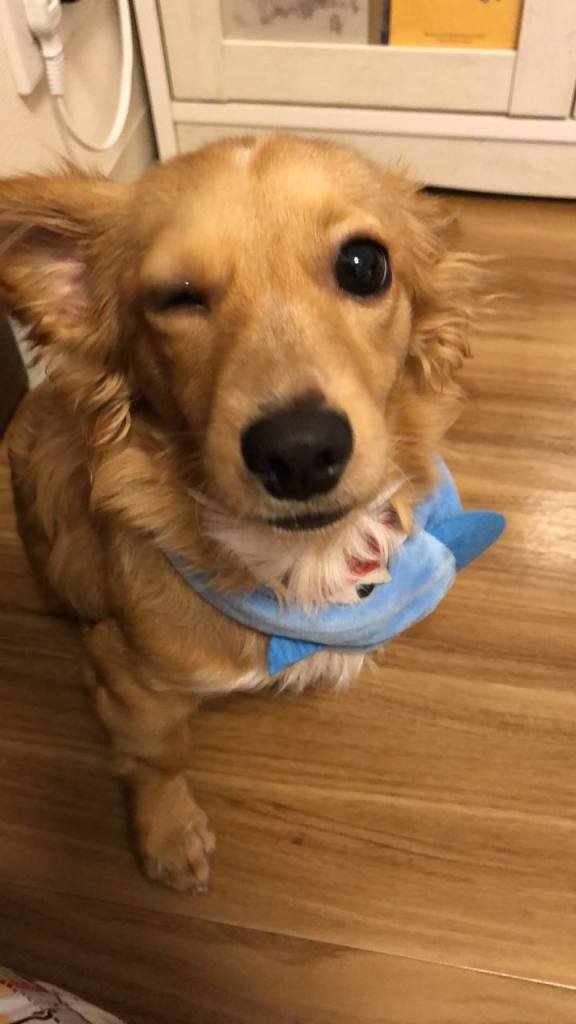
Squishy winking – or trying to!
Tails

Tails helps Elliot with his VR projects!
Alumni
Tanya Tan: Assistant Professor The Hong Kong Polytechnic University
Natalie Truong Faust: Assistant Professor, NOVA Business School, Portugal. Check out our Experimental Aesthetics & Asian Beauty section here to see what she is up to!
Yap Wei Jie: Data Scientist (NUS Singapore)
Chew Wei Ong (now PhD student at NTU Psychology!)
Benjamin Chew (Wellcome Trust Centre for Neuroimaging and Max Planck-UCL Centre for Computational Psychiatry and Ageing Research)
Eun Hee Lee: Assistant Professor, The University of Nottingham
Chengwen (Daisy) Luo: Data Scientist and Machine Learning Specialist (BioFourmis)
Sean Fitzgerald: City University of London (PostDoc)
Kim Loong (PhD): SkillsFuture GS
Alvin Lee: Previous postdoc
Irene Melani: Ph.D. Candidate, University of Michigan, USA. My research interests lie broadly at the intersections of culture, cognition, and intra/intergroup processes. Specifically, I am interested in the cognitive mechanisms underlying cultural variations and the ways individuals organize themselves within groups. My research seeks the use of interdisciplinary methods, with a focus on neuroscience and behavioral economic games approaches.
Pei Jia Ying: Previous research assistant, currently pursuing a Masters of Applied Psychology in Clinical Psychology at Murdoch University
 Decision, Environmental & Organizational Neuroscience Lab